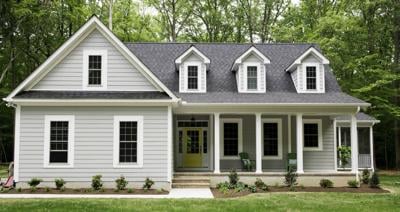


Exterior of a new Cape Cod styled suburban house with recently planted shrubs and grass
Almost every first-time buyer eventually gives something up. The feature that gets cut is rarely the one you'd predict at the start, and the reason behind the cut is even more consistent: the budget. Understanding why affordability forces the trade-offs it does — and planning for it before you tour a single home — is what keeps a compromise from feeling like a loss.
This isn't about lowering your standards. It's about knowing in advance where the budget is most likely to push, so you can decide on your own terms rather than under pressure in the moment.
Why the Budget Pushes Hardest
The pattern in the data is clear. Among first-time buyers who changed their original must-haves, the reason cited most often by a wide margin was affordability. Rocket Mortgage data on first-time home buyer trends, drawn from a survey of buyers about their search, found that of those who adjusted their requirements, 58% pointed to affordability as the cause. Price is the force most buyers underestimate at the start and the one that ends up reshaping the list. Treating it as the primary planning variable, rather than a constraint you hope to avoid, changes how the whole search unfolds.
People are also reading…
Get Your Real Number Before You Get Attached
A wish list without a budget is just a list of preferences. Get pre-approved early, before you're emotionally attached to any listing, so you know your real number. Then spend an afternoon looking at what that range actually buys in your target markets. The gap between what you imagined and what the number delivers is exactly where the compromises will eventually happen — and seeing it early, in a spreadsheet rather than at a showing, takes the sting out of it.
Decide Which Compromises You'll Accept First
The buyers who handle this well don't wait for the budget to force their hand. They rank their compromises in advance: If something has to give, what goes first, second, and third? A dated kitchen is easier to accept than a long commute for some buyers; for others the priorities flip. Writing that order down before you tour means that when affordability does apply pressure, you're following a plan you made with a clear head rather than reacting to a single listing.
Watch the Features That Tend To Flex
Knowing where compromises usually land helps you prepare for yours. The features buyers most often let go of are frequently the ones they ranked highest at the start — location and number of bedrooms among them — precisely because those carry the biggest price tags. That doesn't mean you'll give them up, but it does mean you should pressure-test how much room you really have on each before your first showing, when the budget is most likely to make the call for you.
Stretch the Budget Without Breaking It
Affordability planning isn't only about cutting features. It's also about finding the room a tight number leaves you. Looking one neighborhood over, broadening a too-narrow location requirement, or accepting cosmetic work you can address later can recover real buying power. The goal is to meet the budget where it actually is and use every legitimate lever to keep the features that matter most, rather than treating the first hard number as the end of the conversation.