

Radon exposure is a major concern across Wisconsin. This is particularly true in the Madison area, where the EPA classifies Dane County as a high-risk zone for elevated radon levels. The remnants of glacial activity in Wisconsin with high uranium concentrations lead to higher radon release.
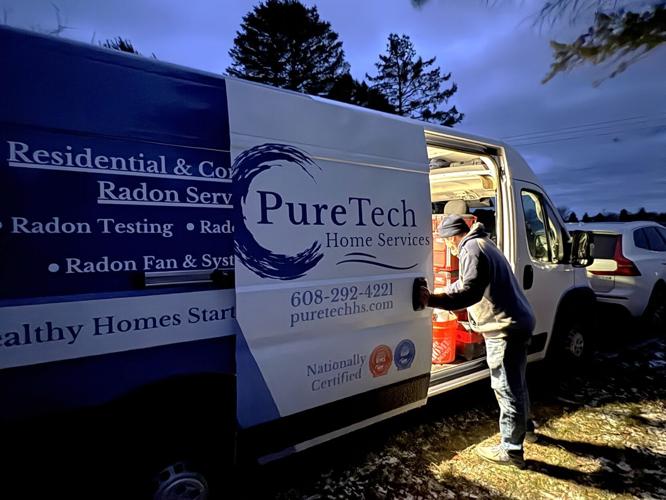
PureTech, a National Radon Proficiency Program-certified radon testing and mitigation provider serving greater Madison, offers residents a way to search their radon levels by ZIP code.
Dustin Williams, co-founder and president of PureTech Home Services, offers some insights to help homeowners understand radon, its health implications and how PureTech can guide them through the testing and mitigation process.
What is radon, and how does it get into homes?
Radon is a radioactive gas formed from the natural decay of uranium in soil, rock and water. Radon gas can seep into homes through various entry points like cracks in concrete slabs and foundations, floor and wall joints, utility penetrations, exposed crawl spaces, sump pits and even from building materials or well water.
How common are elevated radon levels?
According to the EPA, most of Wisconsin, including Dane County, is in the highest risk zone for elevated radon levels.
Why is testing radon levels in your home a key safety measure?
Radon gas is silent, invisible and odorless. The only way to know if a home has elevated radon concentration is to test.
How often should homeowners test?
The EPA advises testing every five years (if no mitigation system has been installed), after significant renovations or if you have never tested or just bought a home with no recent testing. Once a mitigation system is installed, the EPA recommends testing every two years.
What does a radon mitigation system do?

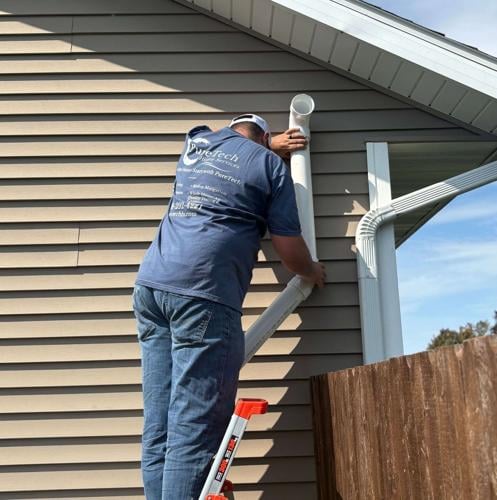
A properly designed mitigation system can drastically reduce levels, even when initial concentrations are extremely high. The primary technique for an effective radon mitigation system is known as sub-slab depressurization. The idea is simple: Extract radon gas from below your home before it ever enters, then exhaust it above your roofline.
What should homeowners look for in a qualified radon mitigation provider?
We recommend that homeowners at least choose an NRPP-certified technician in both testing and mitigation. Certified technicians will follow standards and guidelines for proper mitigation. Hiring a qualified and capable technician is particularly important if you have a home in Wisconsin, as the state has yet to adopt radon mitigation regulations. All PureTech radon technicians are NRPP certified in testing and mitigation.
What should homeowners know about radon mitigation system installation and upkeep?
Installation is typically a four- to eight-hour process. A typical system is very low maintenance and provides easy visuals for the homeowner to make sure the system is operational at any given time. At PureTech, we provide limited system and fan warranties for up to five years.
For someone unsure where to start, what is the first step in assessing your home’s radon levels?
Reach out via phone, email or through the PureTech website. We will guide you through the entire process. PureTech will advise you in accordance with health guidelines, not try and sell you something you do not need.